Search the license number
Virginia and both Carolinas have state contractor boards that post license status on the web. Look up the number you are given instead of accepting the claim.
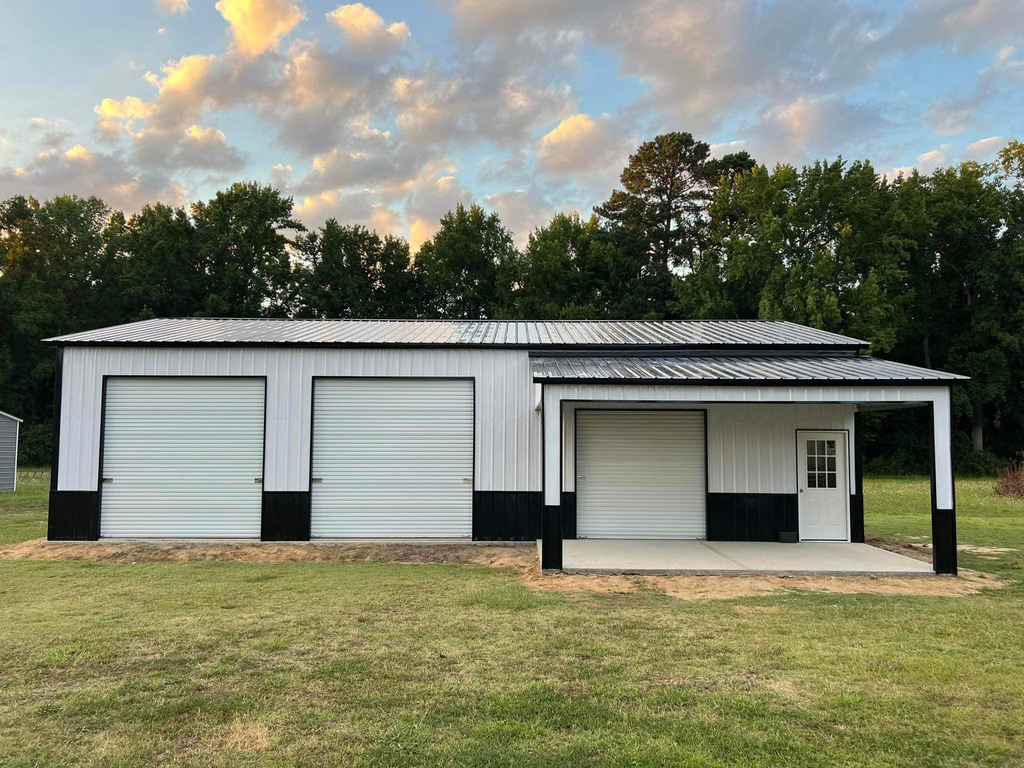
Whoever puts up your building, the same few documents protect you, and you can check every one of them yourself. That is the core of how to find a reputable metal building contractor near you: a license number you look up with the state, an insurance certificate that the insurer itself sends, a written scope that names what is left out, a deposit that fits the work, and a lien waiver when you make the last payment. Nothing a company says about itself can stand in for any of them. Searching turns up two quite different kinds of business. Some manufacture and install their own steel. Others are general contractors or installers who put up a building that somebody else made. Both can be reputable, and you vet them differently, but the paperwork that protects you is identical in each case. The rest of this guide takes the checks in the order you will need them.
The short answer
Confirm each claim with the party that can back it up. Look up the contractor’s license with the state board, and have the insurer send the insurance certificate. Get a written scope that lists what the price covers and what it leaves out. Read the deposit and payment terms, ask whether engineered drawings are needed where you are building, and collect lien waivers when you pay the final bill.
Call (252) 414-5105
Get a Free Quote
Virginia and both Carolinas have state contractor boards that post license status on the web. Look up the number you are given instead of accepting the claim.
Have the carrier send the certificate itself. It should show liability coverage and workers’ compensation, with dates that run through your installation.

Size and gauges, roof style, each opening, every color, the anchoring method, whether drawings are included and whether delivery and installation are in the price. Then a list of what is left out.
A moderate deposit with the balance due at completion is reasonable. Be wary when nearly the full price is wanted before manufacturing starts.

Find out whether your county requires certification, and check that stamped drawings are priced into the quote.

Get a signed lien waiver from the contractor, and from any subcontractor or supplier, before you release the final check.
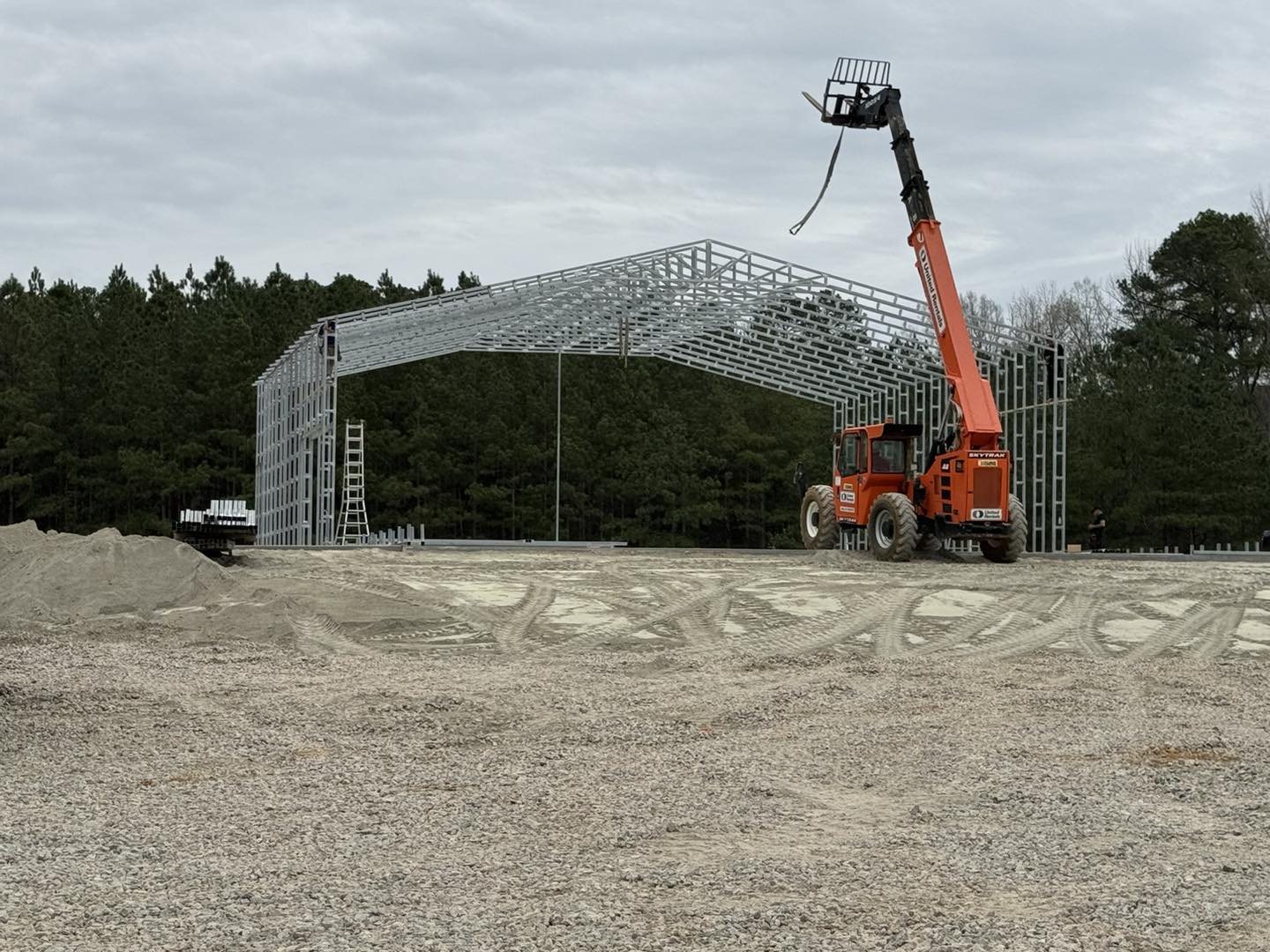
Start by deciding who will answer for what. A manufacturer that also installs carries a building from coil to finished structure under a single name. The firm that formed the panels is the one whose crew sets the anchors, so nothing slips between two companies. We work that way at ECOP: the panels are roll-formed at our plant in Farmville, North Carolina, and we deliver and install the building ourselves. Any site within 100 miles of one of our 28 lots gets delivery and installation at no charge. A separate contractor is the right call for whatever the steel shell does not include, such as the slab, the electrical and plumbing work and the interior finish. Whichever route you choose, name the person or company responsible for each piece of the work in a single written agreement, so every task has an owner.
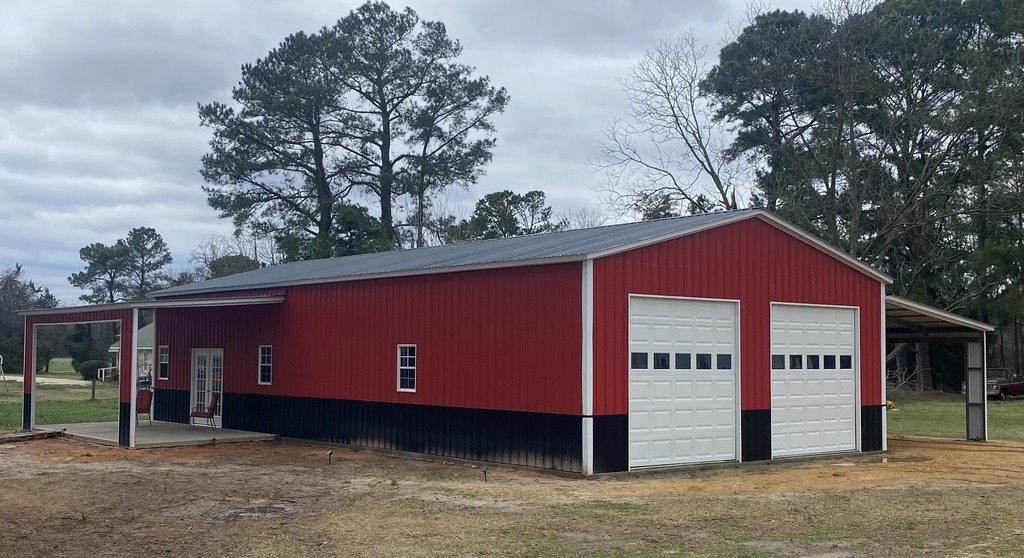
Get the license number from the contractor, then search for it on the state board’s own website. Virginia and the two Carolinas all post contractor license status online, and when a license is required depends on the state and on the value of the project, so put the question to the board if you are unsure. Insurance takes one more step. A photocopy proves little, so ask the contractor to have the insurer send a certificate straight to you with your project named on it. Look for liability coverage and workers’ compensation, both listed, with dates that cover your installation. The second one matters because if a crew member is injured on your property and no coverage stands behind them, the cost can land on you. Finally, phone the insurer at the number printed on the certificate, never one the contractor hands you, and confirm the policy is active. The whole exercise takes about twenty minutes, and it closes off the most common way for a job to go wrong.

A trustworthy quote reads like a parts list, not a paragraph of reassurance. It gives the building’s width, length and leg height, the gauge of the panels and of the framing, and the roof style. It lists each door and window along with where it goes and how big it is, names the color for every surface, and states how the building will be anchored. It also says whether certified engineered drawings come with it, and whether the price covers delivery and installation or bills them separately. Finally, it spells out what is not included, such as the slab, permits, electrical work and the interior finish, so nobody assumes those are covered. On money, the deposit should match what it actually pays for, and the balance should come due at completion, not at the start. If someone wants nearly the full price before a single panel is made, slow down. Ask how the quote was built and how long it stays valid. We price from current steel costs, typically within 24 hours, and you can ask any other supplier to put the same details in writing.

Before you make the final payment, walk the finished building with the installer. Look for an anchor at each point the drawings mark. Panels should run straight, with fasteners seated snugly rather than driven too hard. Trim should be complete at every corner and opening, the doors should roll and latch, and you should not be able to see daylight along the ridge or the eaves. If the county required a permit, find out whether the final inspection has been passed or is booked, and who is responsible for it. Then ask the contractor for a lien waiver, and ask for one from each subcontractor or material supplier who took part. With a lien waiver, the signer confirms that payment has been received and that no claim will be made against your property. Put the permit records, the certified drawings, the waiver and the paid invoice in a single folder; an insurer, a lender or a later buyer may want to see them.
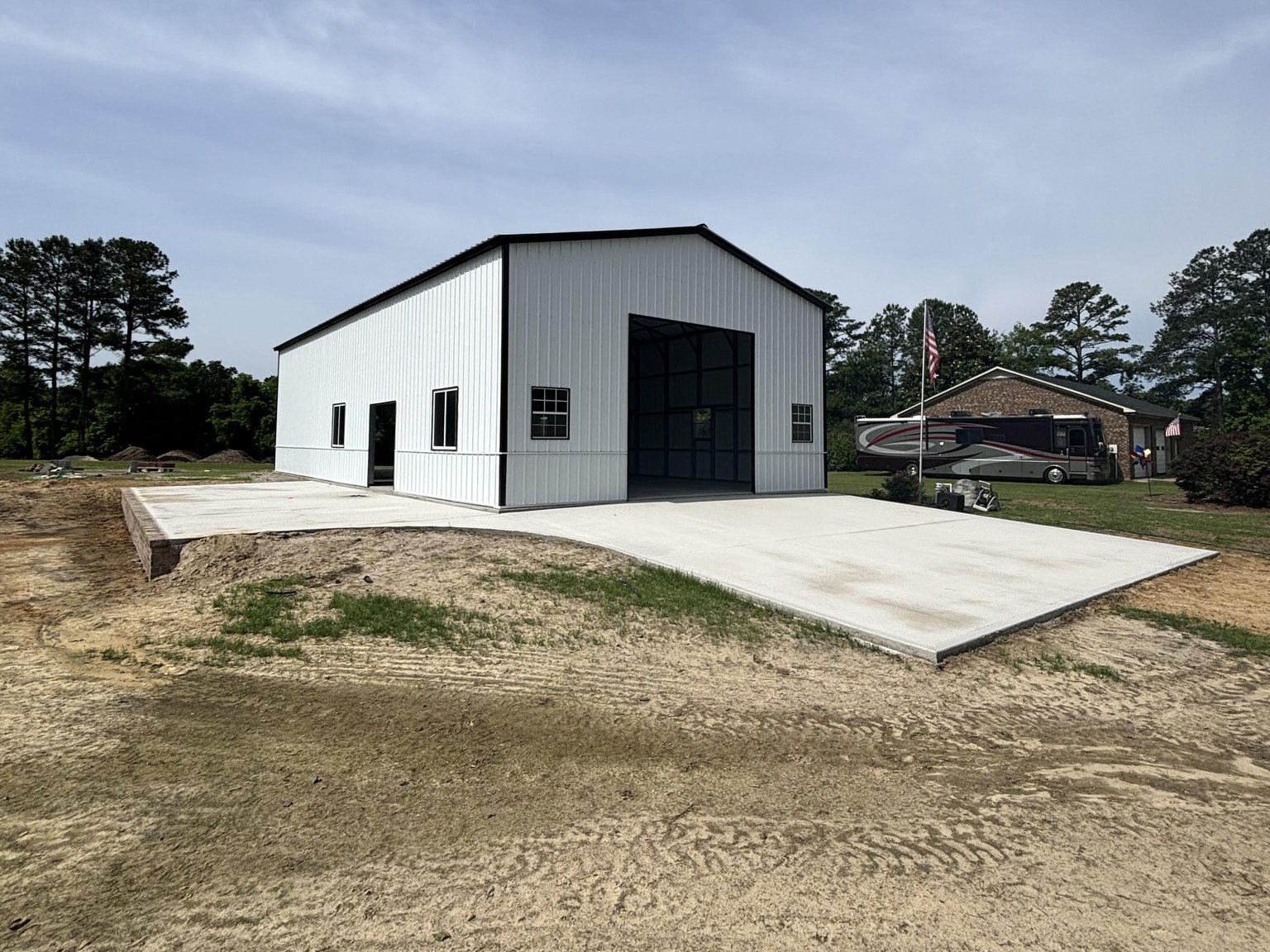
Right after a big storm anywhere in the Carolinas or Virginia, crews from outside the area start going door to door. Plenty of them do solid work. A few take a deposit and are out of state before the first panel ships. That is the strongest reason to buy from a company with an address you can drive to and a number that a person answers.
Five questions sort the serious companies from the rest. Where is the steel manufactured, and by whom? Who does the installing? Will you receive drawings certified for your county? Is the price in writing, with the scope stated and delivery, installation and anchors named? Is there a finished building nearby that you can go and look at?
We would put the same questions to a seller if we were the buyer. A straight answer to every one is encouraging, whichever company you end up choosing.

On the east side of I-95 the land lies flat, sandy loam over clay is the usual soil, and groundwater often sits within a few feet of the surface. It is excellent farmland, among the best in the country, and the sweet potato makes the point: North Carolina grows more of them than any other state, and most of that crop comes out of counties like these. The same ground deserves a little planning before anyone pours a slab.
Visit the lot after a downpour, because the puddles show you where the water goes. The pad should be built up, not dug down, with the fill compacted in layers and a slope that carries runoff away. In sandy soil the anchors have to be chosen for it, and a low spot may be inside a mapped flood zone, so look at the county flood map before deciding where the building goes. With those points handled, a steel building in this part of the state can stay dry inside for decades.
That varies by state and frequently by the value of the work. Virginia and the two Carolinas each have their own license categories and thresholds, so ask the state contractor board which license your project falls under. Then look the number up online before you sign anything.
It is a document from the insurer that summarizes the policies a contractor currently holds. Have the carrier send it directly to you, then check that liability coverage and workers’ compensation both appear and that the dates cover your installation. It protects you if a claim arises on your property.
There is no single rule, but a deposit should reflect what it pays for, for example the cost of making a custom order, and the balance should come due once the building is installed. Ask for the terms in writing along with the quote, and be careful with anyone who wants close to full payment before manufacturing starts.
The contractor, a subcontractor or a supplier signs it to confirm that payment has arrived and that no lien will be filed against your property. Collect the waivers before you release the final payment.
No. We manufacture the steel building, deliver it and install it, so the shell needs no separate builder. The slab, the electrical and plumbing work and the interior finish are for your own trades, and a general contractor can step in there if the inside is going to be finished.
Two or three itemized quotes that match on size, gauges, door and window openings and the level of certification are enough to show whether one of them leaves something out. Check that each says whether delivery and installation are in the price, because a bare kit price cannot be compared with an installed one.
Send us the width you have in mind, the county where it will stand and what it has to hold. We work the price out from current steel costs, and asking puts you under no obligation. Should another width make more sense for what you are storing, we will point it out.