Find out who makes it
When a dealer closes, a manufacturer remains. When the manufacturer closes, nothing does. Find out which of the two is selling to you.

Steel has replaced the wooden tobacco barn as the outbuilding of Eastern North Carolina, and buying one usually means paying in stages. A deposit goes down weeks before delivery, and sometimes a balance is due ahead of the final screw. That is why it is worth asking early: what happens if your metal building contractor goes out of business partway through? The answer turns on how far the work had progressed, on the terms of the contract and on who really made the steel. A few buyers lose a deposit. Some are left with steel on the ground and no crew to erect it. Others find they have no one to call about the warranty. This guide goes through each stage, the recourse you may have and the checks that make the whole situation much less likely.
Short answer
If your contractor shuts its doors, what you lose depends on the stage the project had reached. Money paid up front may be recoverable through the payment method used or through state processes. A kit that was delivered but never erected can often be put up by another installer working from the manufacturer’s own drawings. Warranties carry on only when the manufacturer is a separate company still in operation.
Call (252) 414-5105
Get a Free Quote
When a dealer closes, a manufacturer remains. When the manufacturer closes, nothing does. Find out which of the two is selling to you.
Hand it to the manufacturer rather than a middleman, using a payment method that can be contested, with the balance due only when installation is finished.

With engineered drawings, plus guidance on anchoring, another installer can finish the job if your crew never shows.
Check each item against the packing list the moment it arrives, because once a manufacturer has closed there is nobody to supply what is missing.
Ask every subcontractor and supplier for one with each payment, and keep back the last payment until you hold a complete, final waiver.
Ask the state board about the license number, and ask the insurer, not the salesperson, about the insurance certificate.

When a company closes, the deposit you paid it becomes a claim against that company. Unsecured claims like this rank last in line, and some are never paid. What you can do about it turns on the way you paid. Paying by credit card usually leaves you able to dispute the charge as goods not delivered, as long as you act inside the card issuer’s window. Checks and cash transfers carry no protection of that kind. Some states have contractor recovery funds, or demand bonds from licensed contractors, but who is eligible, how much is paid out and whether steel buildings fall within the program differ from state to state and by license type, so put the question to the state licensing board instead of guessing. The strongest protection is built into how you buy. Keep the deposit modest, make it payable to the company that actually makes the building and not to a middleman, and link the balance to the completion of installation. If the seller also makes the building, the deposit pays for steel sitting in its own plant, not for a promise handed on to somebody else.
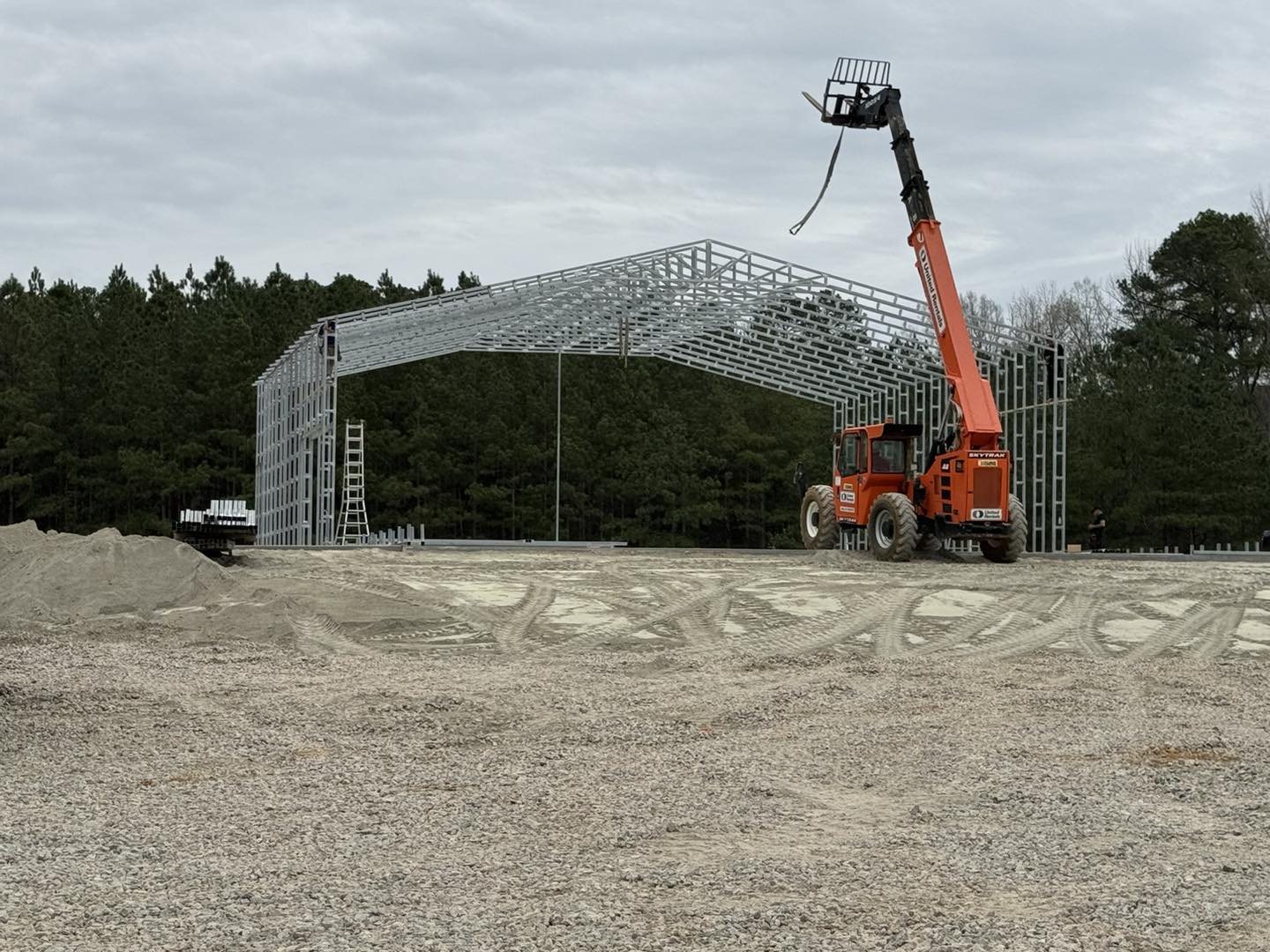
Holding a delivered kit is a stronger position than holding a deposit receipt: the steel is yours, and a different crew can erect it. Whoever takes over will need the maker’s drawings and its anchoring guidance, so request those documents when the kit arrives, not afterward. Independent installers of metal buildings can be found from the Carolinas up into Virginia, and they will usually give a price from the drawings plus a look at the site. Two problems tend to arise. One is parts: when the company that closed is the manufacturer, nobody can replace what is missing or damaged, so check everything that arrives against the packing list on delivery day. The other is the permit. It was probably issued naming the original installer, so the replacement may have to be added to it or a new permit taken out, and the building department can say which. If the company that closed merely resold another maker’s buildings, that maker may still provide parts and support.

It depends which warranty you mean, because each one is only as good as the company that issued it. A workmanship warranty from the installer ends when the installer does, since nobody remains to honor it. The warranty on the paint finish normally comes from the coating supplier and carries on no matter who sold the building. Whether the structural warranty survives depends on who made the framing. When the seller only dealt in another company’s buildings, that manufacturer’s warranty usually carries on. When the seller built the building itself, the warranty ends with the seller. So the first thing to put to any seller is who forms the panels and who cuts the framing. At ECOP, we roll-form 29-gauge panels at our plant in Farmville, NC, make the building’s framing in galvanized steel and install it ourselves, so the manufacturer, the installer and your contact are one company. Before you pay anyone, get each warranty on paper and file the set with the permit.
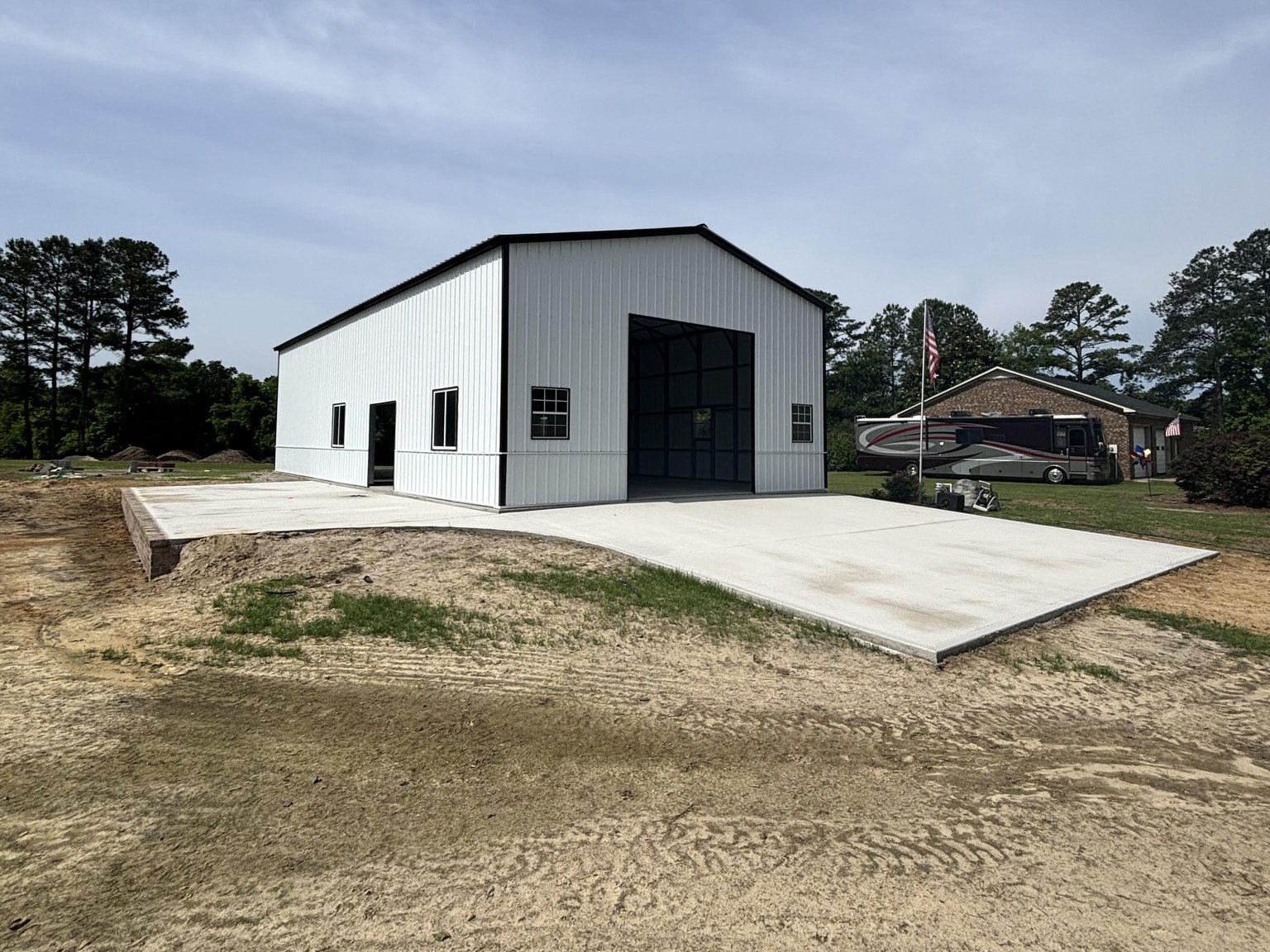
Suppose the contractor shuts down with unpaid bills to crews or suppliers who worked on your building. In many states those people may have lien rights against your property, even though the contractor was paid in full. The rules on who may file, how long they have and what notice they must give differ from state to state, so that question belongs with the state licensing board or an attorney, not with a general answer. One habit protects you. With each payment, ask any subcontractor and material supplier for a lien waiver, and hold back the last payment until you have a complete and final waiver in your hands. Where the business that sold, built and installed your building is a single company with its own employees, there are no subcontractors to file anything, which is a practical reason to favor that model. Should a lien be filed after the fact, deal with it promptly; ignoring it can complicate a refinance or a sale.

Each of these checks is verifiable, so none of them depends on believing the seller. Find out who manufactures the steel, who installs it, and whether one company does both. Ask which license your state requires for the work and confirm the number with the licensing board. Request an up-to-date insurance certificate listing workers’ compensation and general liability, and check it with the insurer named on it. Insist on a written scope that names the building, the loads, the certification, the openings, and what is included and excluded. Read the deposit terms closely: the amount, what it locks in, when the balance falls due, and whether the deposit is refunded if the permit is refused. Ask that the building arrive with engineered drawings, along with anchoring guidance, and that lien waivers come with every payment. Finally, go and see a lot in person. Think of the difference between a seller with 28 lots you can drive to, plus a plant you can phone, and a website with a telephone number: the risk is not the same.

Big storms across the Carolinas and Virginia bring a second wave of visitors: crews based elsewhere, working the neighborhood house by house. Some build well. Others take a deposit and move on before any steel has been shipped. That is the strongest case for buying from a company that keeps a lot open for you to visit and has a person on the other end of the phone.
What you want to know is where the steel is made and by whom, who will put it up, whether drawings certified for your county are part of the deal, whether the price is written down with its scope, delivery, installation and anchors included, and whether you can go and look at a finished building nearby. Nothing here is particular to ECOP; these are simply the questions we would ask in your position. A clear answer to each is a good sign, no matter who you buy from.

On the roads from Wilson toward the coast, wooden tobacco barns can still be seen sagging at the edges of fields. Tall and narrow because curing leaf required it, they served for a hundred years as the region’s working outbuildings. Steel took over from them, on farms and behind houses: a wide clear span, no interior posts, and a roof that sheds a summer thunderstorm.
The use of the space has moved on. These days the same floor may hold the equipment for a peanut or sweet potato crop, a side-by-side kept for deer season, a camper, or a bay boat headed for the Pamlico. If you are unsure about size, take the longest item you own, allow room to move around it and add a bay on top. People most often tell us they built too small, so settle the size first and then put it in the written scope.
Sometimes, depending on how you paid. If you used a credit card, you can often dispute the charge for goods that never arrived. A check or cash payment leaves you as one more unsecured creditor of the closed company. Certain states run recovery funds or ask licensed contractors to post bonds, but what is covered differs by state and license type, so your state licensing board is the place to ask.
An independent metal building installer can erect a kit that has already been delivered, using the maker’s drawings and anchoring details. Ask for those documents when the delivery arrives, go through the parts against the list, and ask the county if the permit has to be changed to carry the new installer’s name.
Workmanship cover from the installer ends when the installer does. The paint finish warranty, issued by the coating supplier, usually carries on. Structural cover continues only when the maker is a separate company that is still in operation, so find out who made the building before you buy.
Yes, in many states, even if the contractor was paid in full. The time limits and the notice requirements differ by state. Ask each subcontractor and supplier for a lien waiver whenever you pay, and release the final payment only when you hold a complete and final one.
Check the license with your state licensing board, ask the insurer to confirm the insurance certificate, go and see a lot in person, and ask who manufactures the steel. A company with a plant address and lots you can drive to is easier to check than one that exists only as a website.
In one respect, yes: it cuts out the layers in which trouble hides. When the maker of the building also delivers and installs it, there is no dealer that can close, no separate installer who can vanish and no subcontractor who can file a lien. That is how ECOP operates from the Farmville, NC plant.
Send the size you want, the county and what the building will hold. We work from current steel pricing, there is no obligation, and if another size would suit you better we will tell you.