Verify the license
Find out which license the contractor holds, look the number up with the state board that issues it, and put the question of whether your job needs one to the county.

Choosing a contractor for a metal building is a decision you can test before any of your money moves. The red flags that mark a metal building contractor who isn’t trustworthy repeat from job to job, and each of those signs can be confirmed with a document request instead of a hunch. Most projects go well. The ones that go badly tend to fail in familiar ways, and an afternoon spent on paperwork would have exposed every one of them. The point is not to cast anyone as a villain. It is to give you a set of checks: who holds the license, whether the insurance is current, what the written scope says, how the deposit is structured, whether drawings and permits are in order, and whether lien waivers will be provided. The checklist works the same for a carport near the Carolina coast, a Piedmont workshop or a commercial shell in Virginia’s mountains, and any contractor worth hiring will be glad to answer it.
Short answer
Six warning signs should make you hesitate, and you can verify every one of them. The contractor has no license or will not show it. There is no current certificate of insurance. The scope is vague or only verbal. A large deposit is demanded before any drawings exist. Engineered drawings are missing where the county requires them. Lien waivers are refused. A contractor you can trust will hand over each of these documents when you ask.
Call (252) 414-5105
Get a Free Quote
Find out which license the contractor holds, look the number up with the state board that issues it, and put the question of whether your job needs one to the county.

Request a certificate showing liability and workers’ compensation coverage, then ring the agent named on it to make sure the policies are live.

List the dimensions, gauges, doors and anchors, say who handles drawings, permits and cleanup, and spell out how a change order will work.
Pay a proportionate deposit first and the balance after installation and a walkthrough. Never pay in full before delivery.

Get a plain answer before you buy: does your county want certified engineered drawings, and who will supply them?

A conditional lien waiver should come with each progress payment and a final unconditional one when you pay the balance.
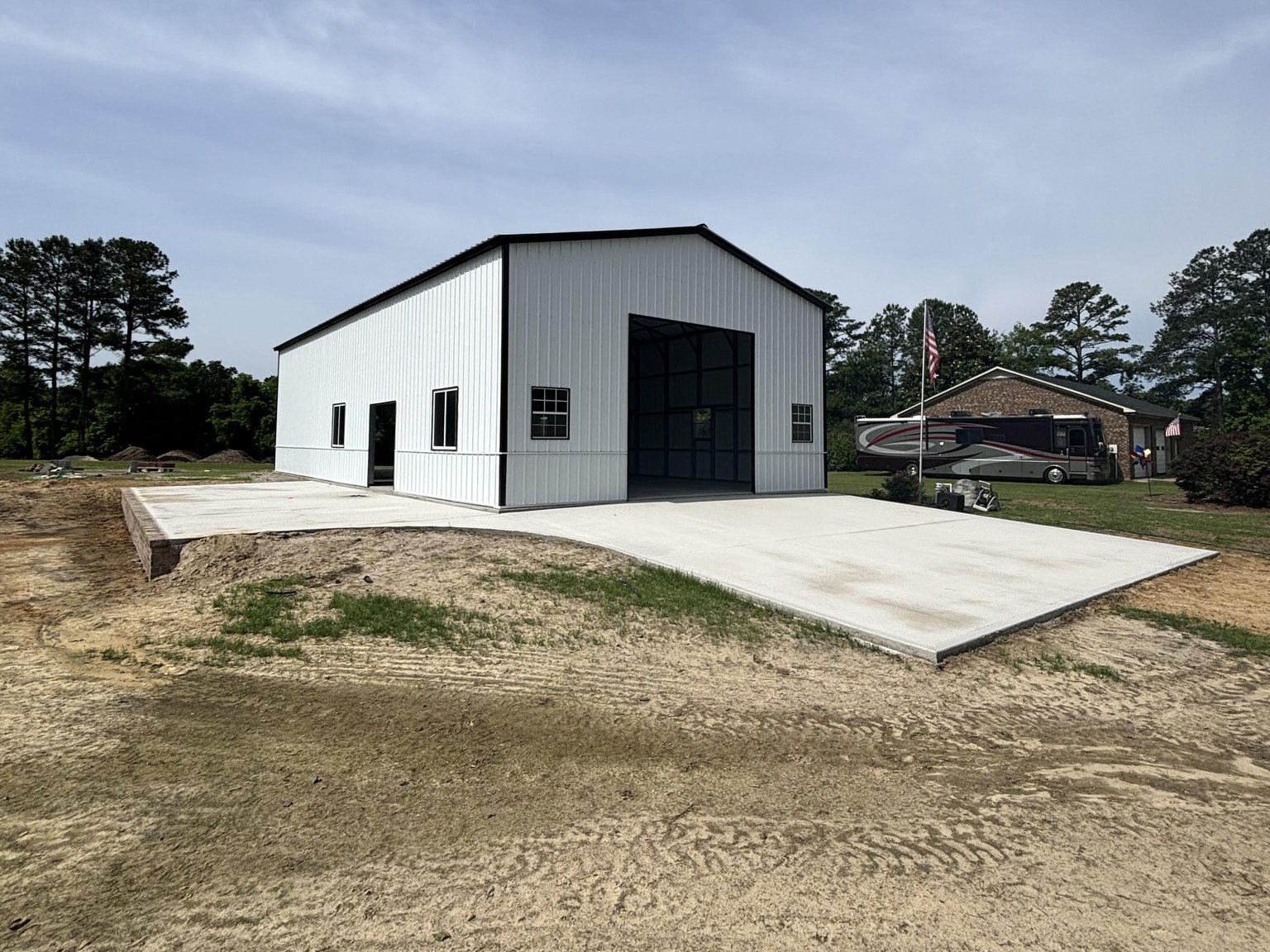
What the law demands of a building installer depends on your state and on how large and costly the job is, so begin by asking the contractor which license, if any, they hold, then look the number up with the board that handles it. Some contractors will say none is required. Your county building office can tell you whether that holds for your project, which is better than trusting the person selling it. Insurance is easier to check. The certificate should come directly from the insurer, show both general liability and workers’ compensation, and be dated in the past year. Ring the agent whose name is on it and ask if the policies are in force. Without proof of coverage, you would be the one standing behind any injury or damage on your property. If you meet stalling, excuses or a copy that looks doctored, treat that as a red flag and look for another contractor.

Write the scope so that it pins the building down: dimensions, leg height and roof style; the gauge of the panels and of the framing; the number and size of doors and windows; colors; and the kind of anchor. Next to that, list the jobs the contractor takes on and the ones left to you, whether foundation, site preparation, permits or cleanup. The document should also name who is responsible for engineered drawings and what happens if the county requires changes. A deposit is a normal part of buying a building, provided it is proportionate and tied to milestones, with the remainder falling due after the installation and a walkthrough. Watch for a demand to pay everything before delivery, a deposit that jumps once the quote is signed, or pressure to hand over cash in exchange for a discount. Ask how a change order is processed and request an example. If the contractor refuses to put the scope in writing, there is no contract to enforce afterward.

Before it issues a permit, a county may ask for certified engineered drawings that show how the building is designed for wind and snow, and counties in North Carolina, South Carolina and Virginia do not all agree on when. Put the question to the building office yourself. If a contractor tells you drawings are never required, or hints that leaving out the permit would save time, that contractor is passing a legal and structural problem to you. A good answer sounds like this: before you buy, someone tells you plainly whether your site needs certification and who will supply it. That is how we work. We tell buyers up front whether their county requires certified drawings, and we supply them where it does. We also manufacture, deliver and install the shell ourselves, and we charge nothing for delivery or installation at sites inside 100 miles of one of our lots. You should expect the same straight answer from any seller on drawings and permits.
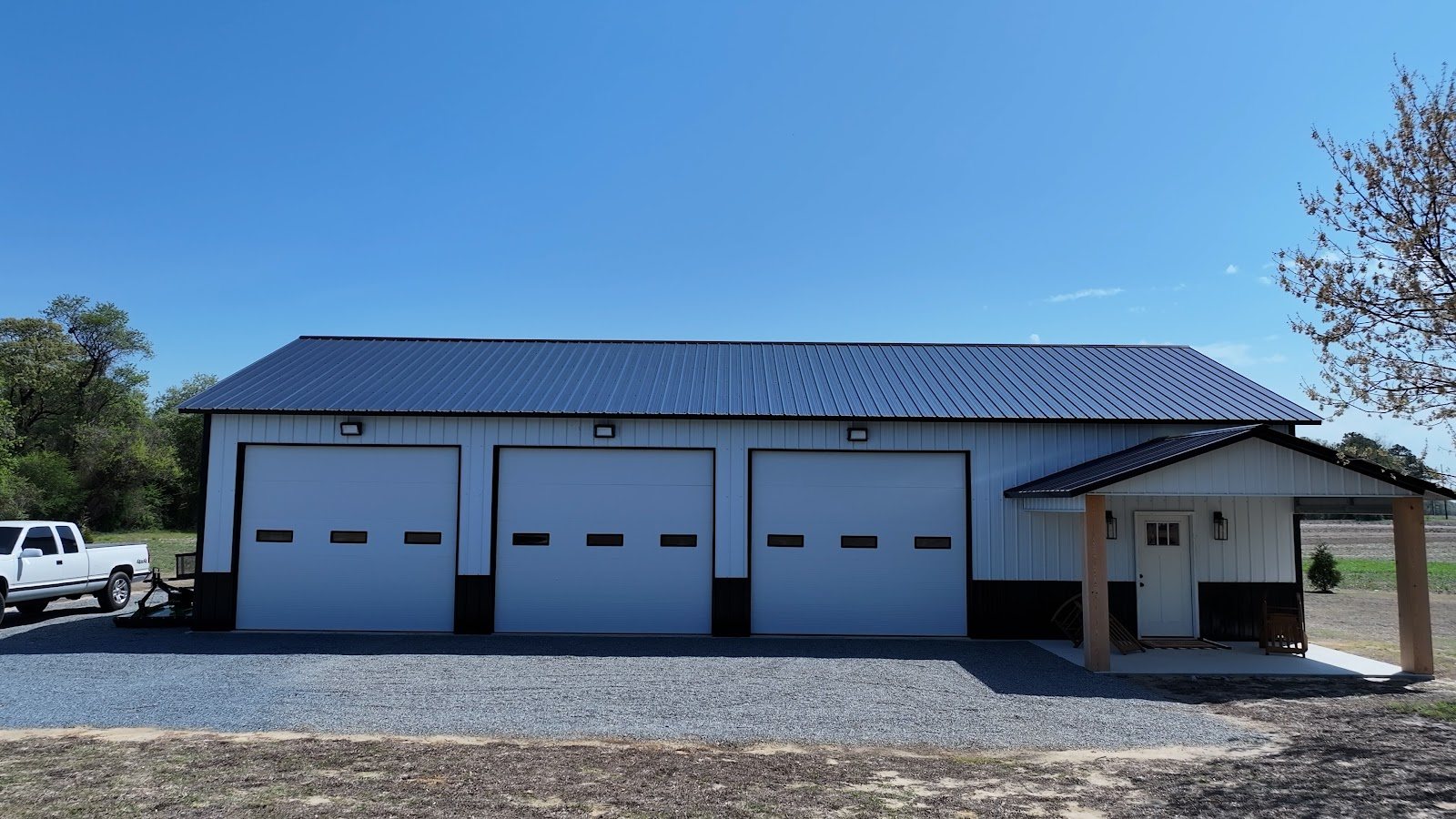
Suppose you pay the contractor in full and the contractor never pays a subcontractor or a materials supplier. In most states, that unpaid party may be able to claim a lien on your property, whatever you paid. A lien waiver closes off that risk. It is a signed statement from the contractor, and from each subcontractor or supplier, that they have received payment and are giving up any right to place a lien. Ask for a conditional waiver along with each progress payment, then an unconditional waiver as the final payment is made. Rules differ from state to state, and a local attorney or the county clerk can explain how they work where you live. When a contractor has never heard of lien waivers, or declines to sign one, you are dealing with either inexperience or a payment problem with that contractor’s own suppliers. In both cases you should have the paper in hand before the last check is cashed.
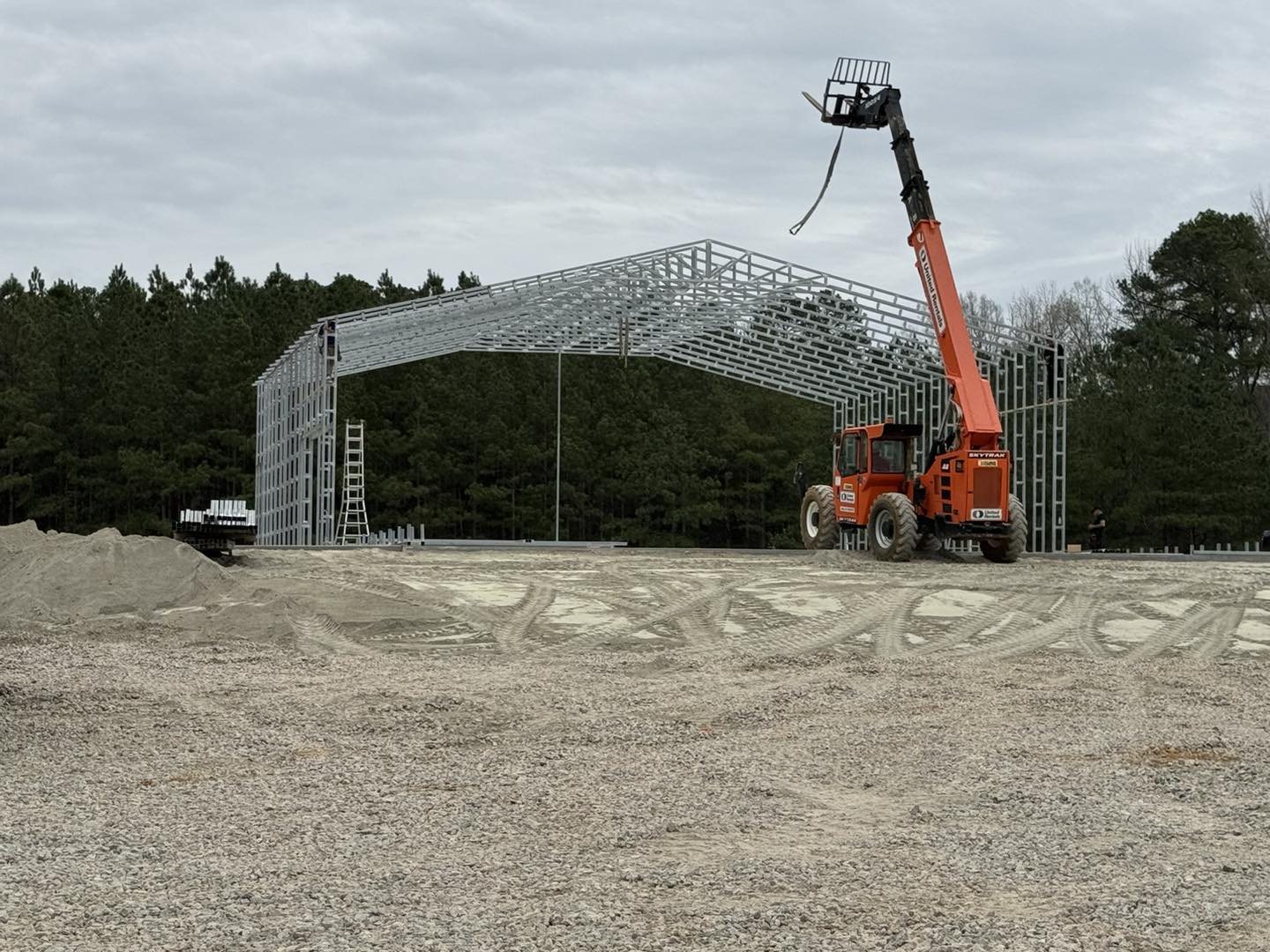
Most problems show up on paper, but a few only appear when the crew does. Watch for a crew that has no drawings with it or cannot say what size the building should be. Look at the steel itself: if the size, gauge or color is not what you were quoted and the crew lead says to accept it anyway, hold off. Anchors that are skipped, or swapped for something else with no explanation, deserve a question, and so does bracing shown on the drawings but left out because the panels will cover it. Be wary if the crew wants the balance before the building is done or before you have walked it, and if they leave scrap and screws strewn around the site. One of these on its own does not prove bad intent, yet each calls for a pause and a note in writing before you pay. Walk the whole building with the quote and the drawings in hand and test the doors. If the contractor pushes back on a walkthrough, you already have your answer.

After every major storm in the Carolinas or Virginia, crews from out of town start knocking on doors. Some of them do fine work. Others collect a deposit and are three states away before any steel shows up. That is a strong reason to buy from a seller who has a lot you can visit and a phone that a person answers.
A handful of questions separates the serious sellers from the rest. Find out who makes the steel and where, who puts it up, and whether certified drawings for your county are part of the deal. See whether the price is written down with the scope spelled out, including delivery, installation and anchors. Then ask if you can visit a finished building nearby.
We would put the same questions to a seller if we were the ones buying, so none of this is specific to us. Whoever you choose, a direct answer to every one of them is a good sign.

Six named storms are within living memory here. Floyd came in 1999, Isabel in 2003 and Irene in 2011; Matthew followed in 2016, Florence in 2018 and Dorian in 2019. A few arrived as wind, but most arrived as flooding, and the people who lived through them tend to agree on one thing: a building holds up only as well as the way it is anchored and the ground under it.
So we ask about the site before anyone talks about colors. Design wind speeds climb as you go from I-95 toward the coast, flood zones trace every river and sound, and your county decides what certification its inspector expects to see. Once we know where the building will stand, we can quote the framing, the anchors and the drawings that suit that spot.
Not by itself. The panels are made to your order, so a deposit is normal. What should worry you is a deposit that is out of proportion to the job, one that rises after you sign, one that must be paid in cash, or a requirement to pay everything before the steel arrives.
The certificate names the insurance agency and gives policy numbers. Find a phone number for that agency on your own rather than using one the contractor hands you, then ask whether that business has active workers’ compensation and liability policies.
Call the county building office yourself. Requirements depend on the county and on the size and use of the building. If a permit is needed, the contract should name who pulls it, because skipping a required permit can cost you when you sell, insure or finance the building.
Yes, ask anyway. Material suppliers can hold lien rights of their own in many states, and a final unconditional waiver costs the contractor nothing to provide. Since lien law differs by state, an attorney or the county clerk can tell you exactly how it applies to you.
Document the defects in writing and attach photos. Refer to the written scope and the drawings, and ask for a date by which the contractor will fix them. If you get no response, turn next to the licensing board, to the insurer whose name is on the certificate, and to a local attorney.
Our plant in Farmville, NC makes the panels, and we deliver and put up the shell ourselves. We provide certified drawings in counties that require them, and before anyone buys we say whether the site will need certification. Ask us to write down the entire scope before you sign anything.
Send us the building’s size, the county it will stand in and what it will hold. We price from today’s steel costs, you owe nothing for asking, and if a different size would suit you better, we will say so.