Legs up to 20′
Tall enough for a Class A coach, a fifth wheel or a sailboat mast.
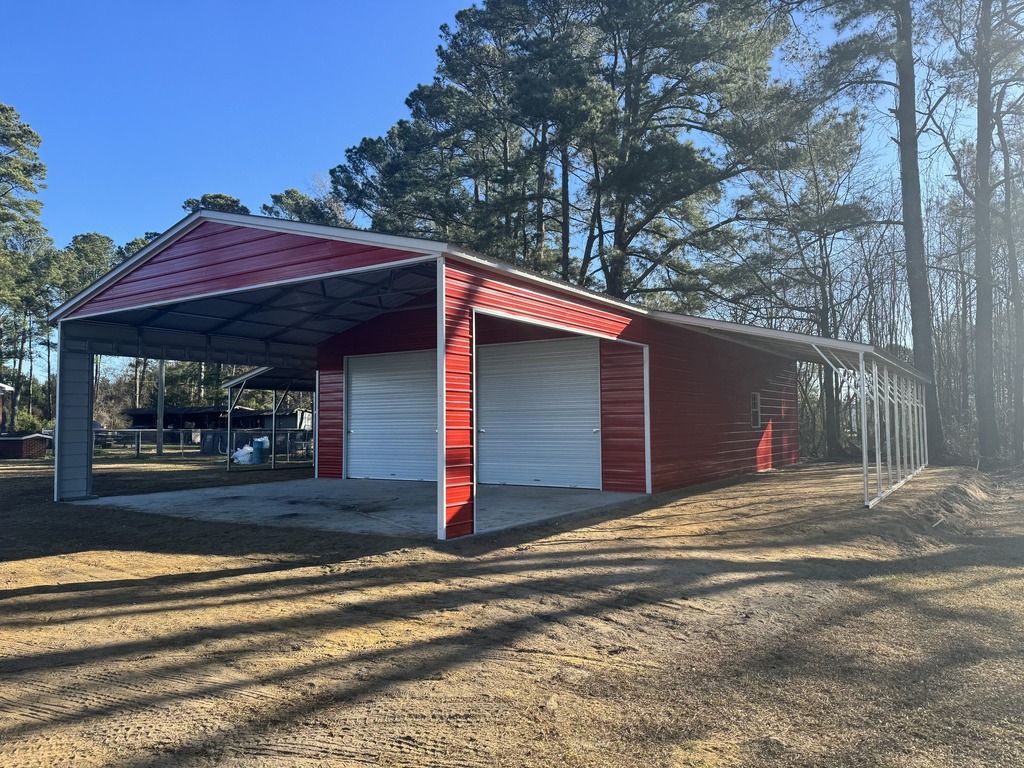
Choosing RV and boat covers starts with two measurements: how tall the unit stands and how wide you want the space to be. Our covers are purpose-built for boats, travel trailers, fifth wheels and motorhomes. Leg heights go up to 20′ and widths up to 24′, and each cover is engineered with the wind load of a tall, open structure in mind.
Call (252) 414-5105
Get a Free Quote
Tall enough for a Class A coach, a fifth wheel or a sailboat mast.
Room to put the awning out and walk around the unit.

Sized for your soil and how exposed the site is, never guessed.
Close in the sides or ends at a later date, or add a roll-up door.

Delivery costs nothing when the site is within 100 miles of one of our 28 lots.

Offered without a credit check.
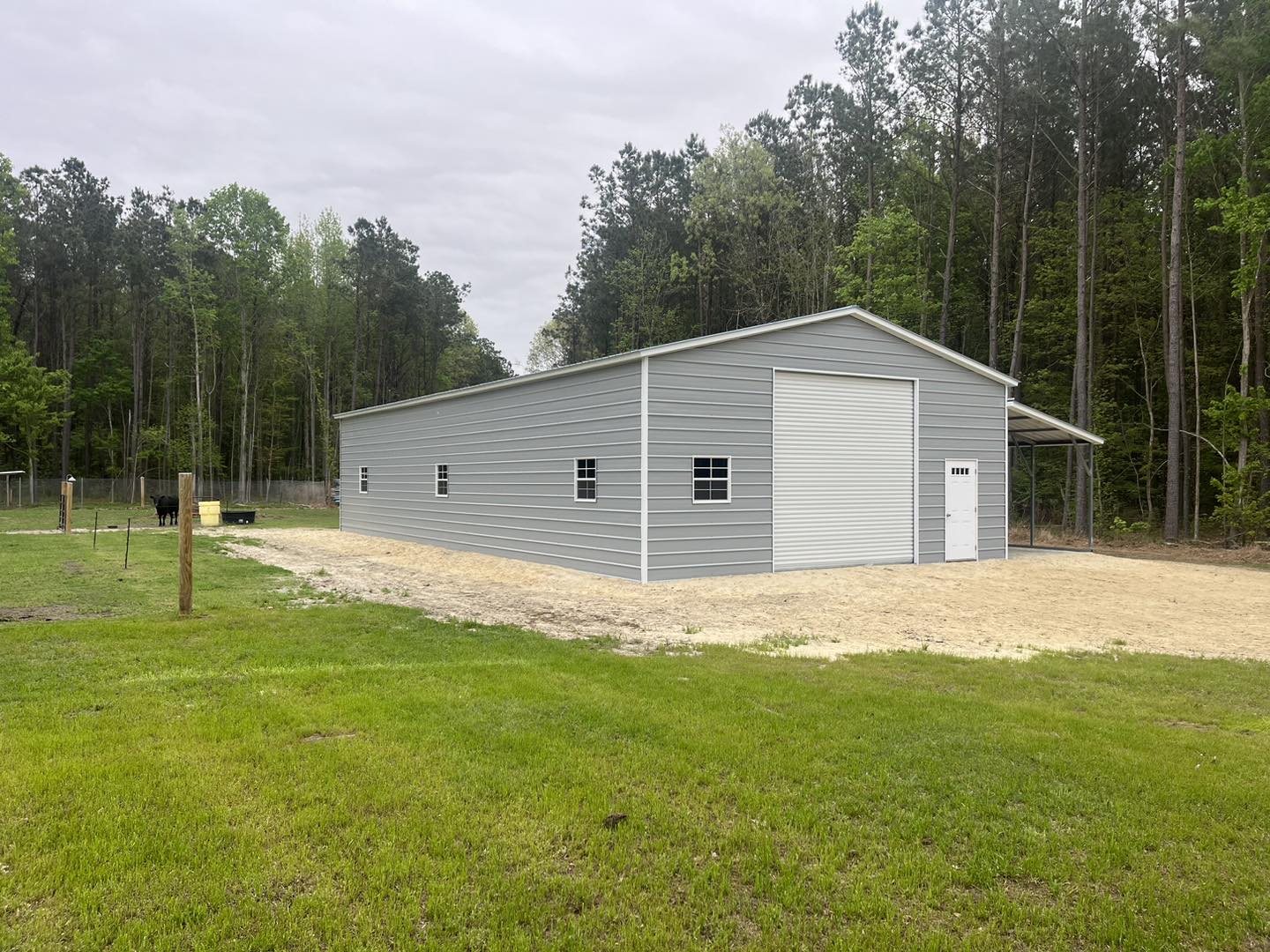
Height is the problem we sort out most often on the phone. A manufacturer’s figure for an RV usually stops at the roofline, and the air conditioner on top can add a foot or more. So hold a tape at the ground and run it up to the highest point of the unit, then allow twelve inches of clearance above that. Class A coaches usually need 14′ legs. If you land between two sizes, choose the taller one, because leg height cannot be changed once the building is up.

Wind pushes much harder on a 14′ open cover than on a 6′ carport, and the loads at the anchor points climb accordingly. Cheap covers give out at the anchors. We size the anchors for your soil and for how exposed the site is, and for the coastal counties of NC, SC and VA, wind-rated certification comes from us as well. A quote for a tall cover that never asks about your site is a warning sign.

An open cover keeps off UV and hail, which cause most of the damage, for the least money. Closing in the sides adds security and stops driving rain, and that counts for more if the unit stays parked through the winter. Costs rise a good deal once you add full enclosure and a roll-up door, but then you can work on the unit out of the weather. Many customers begin with the open cover and enclose it later.
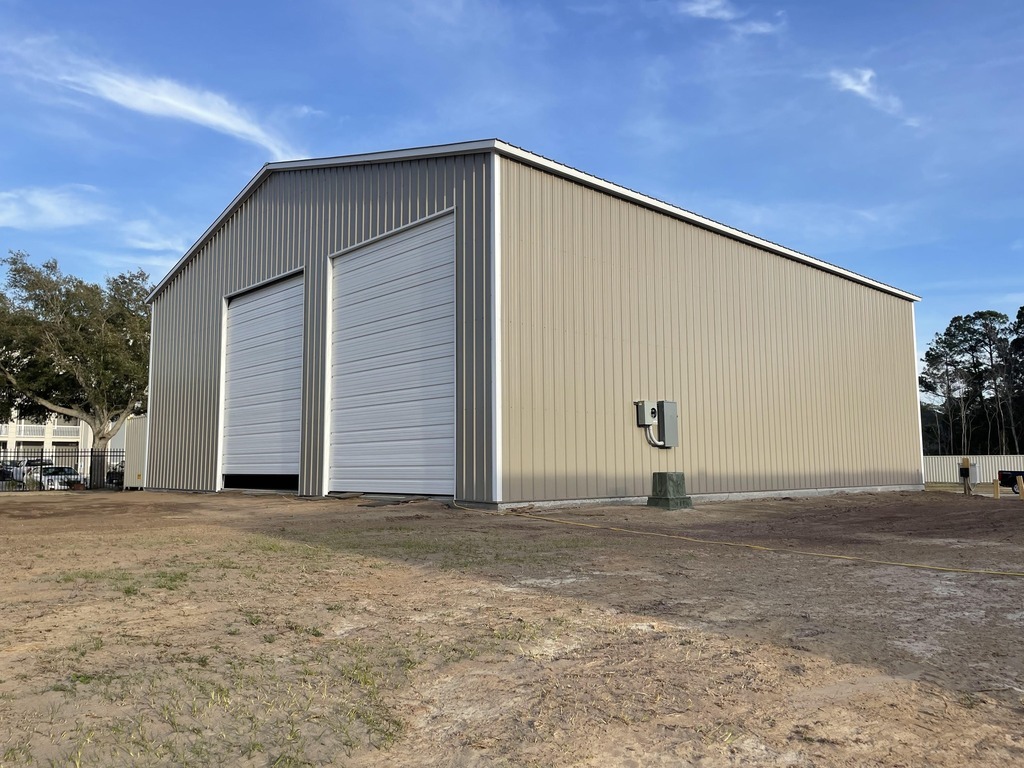
A boat or camper takes more damage from sitting in the sun than from the miles it travels. The sun dulls gelcoat to a chalky film, splits vinyl, dries out the seals on a roof and fades decals. In the Southeast, spring pollen and pine sap, which falls all year, settle on top of that. A steel cover keeps off most of it, while paying for detailing and repairs through even one season would cost a good deal more.
Measure before you order, and measure the highest point. On a camper it is the rooftop air conditioner; on a boat riding its trailer it might be a T-top, a tower or a raised outboard. Leave room above whichever is tallest. For length, count the trailer tongue and the motor.
A boat that lives on the sound or at the inlet needs a place to rinse it beside the cover, so the salt comes off before it is parked. Even partial side panels earn their cost, cutting the low afternoon sun and rain driven sideways. Anchors done properly, plus wind certification, take some of the worry out of a storm warning.

Eastern North Carolina takes a lot of tropical weather, more than nearly any other stretch of the East Coast. Floyd (1999), Isabel (2003), Irene (2011), Matthew (2016), Florence (2018) and Dorian (2019) all happened within living memory. A few arrived as wind, but most arrived as flooding. What people concluded is that anchoring and the ground underneath decide how a building fares.
For a tall cover, that conclusion shapes the questions we ask before we get to colors. Wind ratings climb on the way from I-95 to the coast, flood zones trace the rivers and the sounds, and each county sets the certification its inspector expects. Tell us the spot and we will work out what framing, which anchors and what drawings it needs.
Take the height of the rooftop AC unit from the ground, then add a foot. A Class A motorhome usually needs 14′ legs, and fifth wheels and travel trailers generally fit under 12′ to 13′. If you are unsure, take the larger size, since the legs cannot be made taller once the cover is up.
At 18′ a cover is workable, but at 20′ there is space to put the awning out and still get around the unit on foot. If a truck will park alongside the rig, consider 24′. Width added when you order costs far less than width you wish you had later.
A tall open structure takes far more wind load than a low carport, which is why anchoring and certification count for more on a cover than on anything else we sell. We match the anchors to your own site, and where the county asks for it, we add wind-rated engineering.
Yes, by a wide margin. An open cover costs far less than an enclosed building and still blocks UV and hail, which do most of the damage. Closing it in brings security and shelter from the weather, plus somewhere to work on the unit in the dry, and many customers put up the open version first and enclose it in a later phase.
Give us the size you need, your county and what the cover is for. Our price follows what steel costs right now and carries no obligation, and if a different size would suit your unit better, we will say so.