Paint finish coverage
The coil coater backs the paint against peeling, chalking and fade. Close to the coast, read the salt-water exclusion carefully.

What warranty should your metal building come with? The answer depends on knowing which coverages exist and asking for each one in writing before you sign. A metal building does not carry a single warranty. Panel paint, steel framing and installation labor are each usually backed by a different party under different terms, and unless you ask, the paperwork may not turn up until after the sale. Anyone buying in South Carolina, North Carolina or Virginia should find out which coverages apply, who is responsible for each, and which everyday actions can void them. Read on for the coverage you should expect, and for tips on reading the small print.
The short version
Three separate written warranties should come with the building. One covers the panel finish against fading, chalking and peeling. The structural warranty covers defects in the framing. The third is a workmanship warranty from the installer. Get all three on paper before you buy, and look through each for carve-outs like coastal exposure or cleaning done the wrong way.
Call (252) 414-5105
Get a Free Quote
The coil coater backs the paint against peeling, chalking and fade. Close to the coast, read the salt-water exclusion carefully.
The building’s manufacturer covers defects in the framing. Ask whether coverage carries over when the building changes hands.
The installer answers for anchoring, fastening and trim. Claims are simpler when one company supplies and installs.

File the engineered drawings alongside the warranty papers, so a storm claim can be checked against what the building was designed to carry.
Most warranties expect basic cleaning and inspection, so keep a dated log of each one.
Find out whether it must be registered after installation, and by what date.

A finish warranty protects the paint on the roof and wall panels. The company that coats the steel, or supplies the coating, normally writes it, not the party selling you the building. Most of these warranties deal with three kinds of failure: the paint film breaking down by cracking, peeling or flaking; chalking, the powdery residue that appears as a coating weathers; and fade, meaning color that has drifted from the original shade by more than a stated amount. Terms and lengths depend on the coating, so find out which paint system was applied to the coil and ask that supplier for the warranty document it publishes. Then go through the exclusions. Many finish warranties cut back or drop coverage within a set distance of salt water, a real issue along the South Carolina and North Carolina coasts, and most exclude damage from harsh cleaning products, from abrasion, or from touching dissimilar metals.
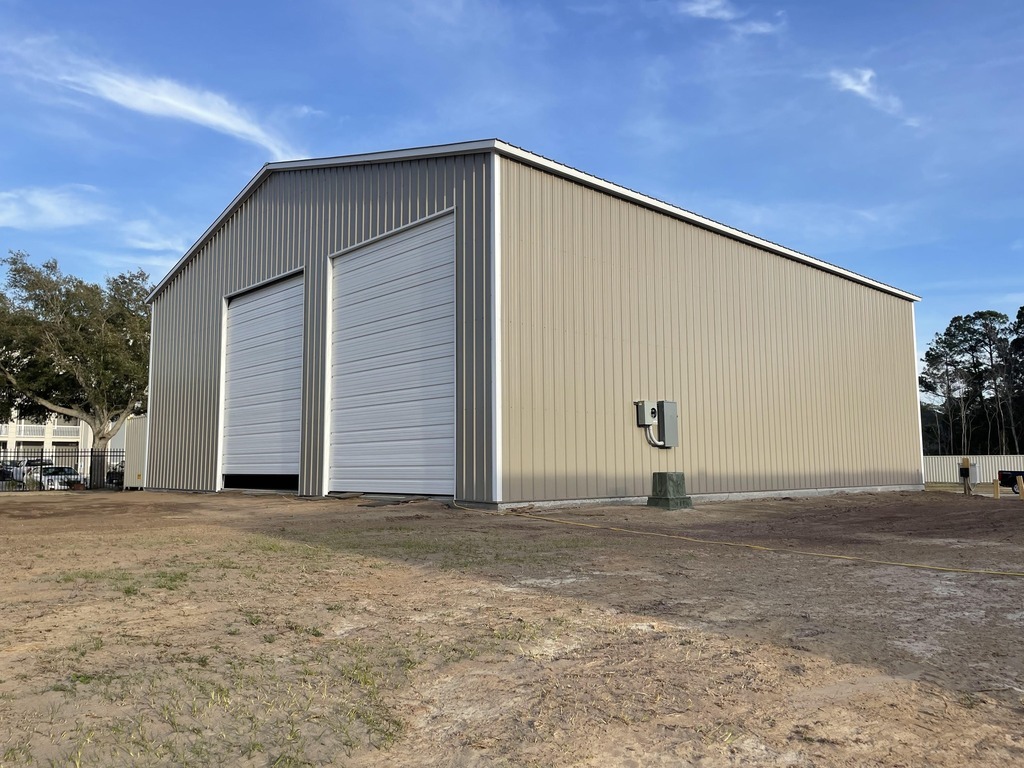
A structural warranty protects the steel frame against manufacturing defects, for example tubing that gives way, welds that come apart, or galvanizing that flakes off under ordinary conditions. It normally comes from the company that manufactured the building, not from the crew that installed it. Check how long it lasts, whether it passes to a later owner, and what it leaves out. Typical exclusions are weather beyond the building’s rated loads, changes made after installation, a foundation that moves, and corrosion from wet concrete, from chemicals, or from fertilizer kept inside the building. If the building comes with engineered drawings certifying it for your county’s wind and snow loads, keep them with the warranty paperwork, since a claim may depend on whether the storm was stronger than the building was designed for. Ask, too, whether the warranty depends on regular inspection or maintenance.
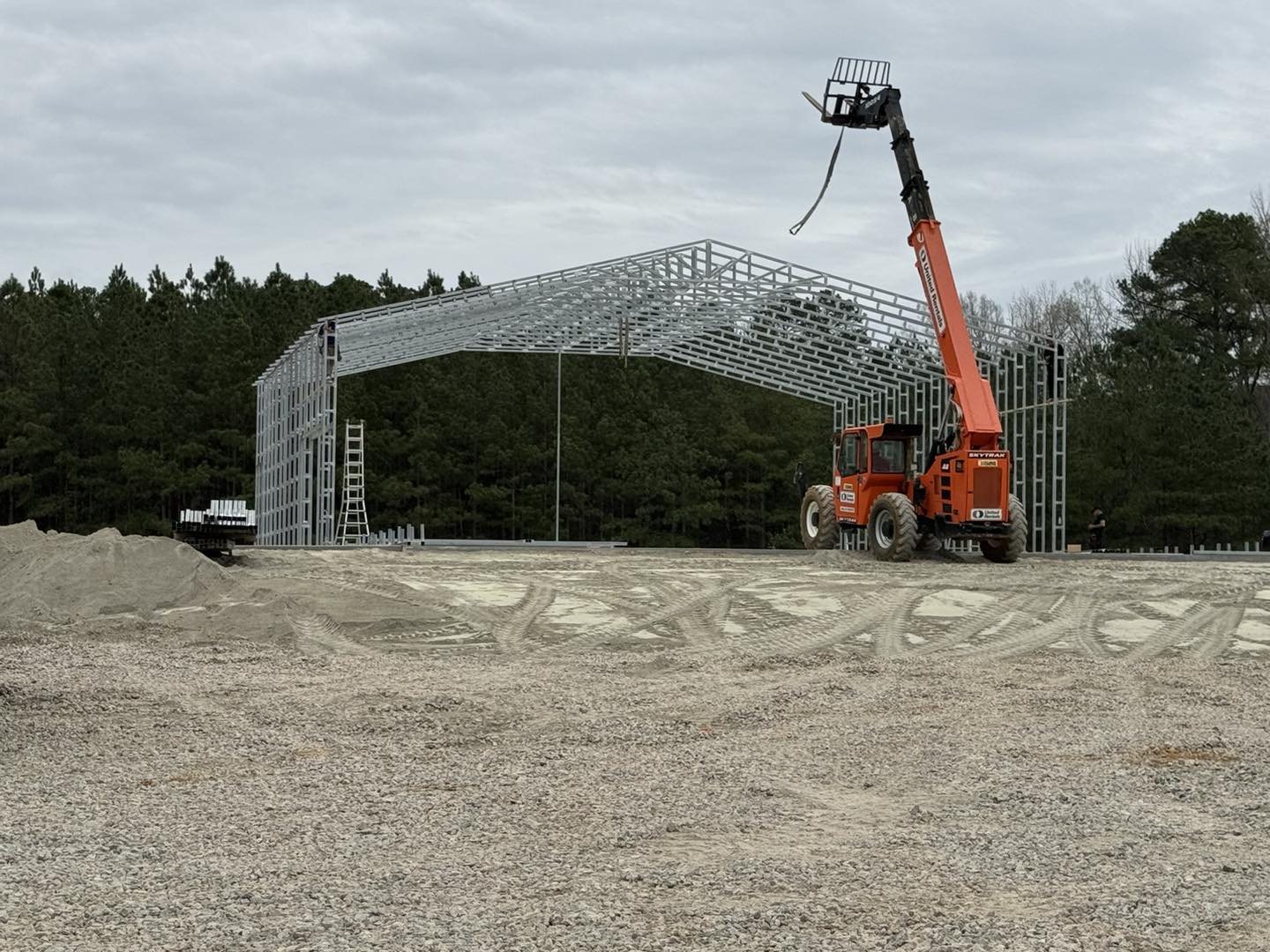
Workmanship coverage is about the work itself: whether the anchors went in correctly, whether panels were lapped and fastened properly, and whether the trim is sealed and the doors hang square. It comes from whoever put the building up, which is where the way you buy matters. When one outfit makes the building, brings it to your lot and puts it up, a single party is accountable for the product as well as the labor. Buy a kit from a dealer and let a different crew erect it, and a leak can turn into a dispute: the dealer blames the installation and the installer blames the panels. At East Carolina Outdoor Products, the 29-gauge panels are roll-formed at the company’s own plant in Farmville, NC, the framing is galvanized steel, and the company installs the buildings as well. Ask the sales lot to put in writing what is covered, both for the materials and for the installation, on the exact building you are pricing, and get that before you buy, not after.

Denied claims usually trace back to a few causes you can avoid. Poor anchoring is one. A building placed on a base that the manufacturer has not signed off on, or held down with fewer anchors, or shorter ones, than the specification calls for, can lose its structural coverage. Modification is another: framing is skipped when a window or door opening is cut, or heavy equipment such as hoists and lifts is hung from trusses that were never designed to carry it. Chemicals count too. Salt, pool chemicals and fertilizer stored against exposed framing speed up corrosion, and the warranty text typically spells this out. On the finish side, harsh pressure-washing detergents, foot traffic on the panels, and leaves or pine needles left sitting in the valleys can all bring an exclusion into play. Each warranty has a maintenance section: follow it, and keep a simple record of the dates you cleaned and inspected.

Have the seller hand over every warranty document that applies, not a summary of them. For the panels, find out what coating is on the coil, get the coater’s own published warranty, and check its maintenance and coastal exclusions against your site. On the framing side, find out which company issues the structural warranty, how long it lasts, and whether it can be transferred, and whether wind and snow load certification alters the terms. On installation, ask who is accountable for the workmanship and what the process is for reporting and fixing a leak or a loose panel. Ask whether the warranty registers automatically or needs paperwork from you once the building is up, and what upkeep you must do to keep it valid. Finally, make sure the contract describes the exact building you are buying, because claims are judged against what was actually sold, and an upgrade nobody recorded can complicate matters.

Steel buildings come through storms well when they are anchored and kept up, and the upkeep is light. Ahead of hurricane season, walk around yours. Replace or re-tighten any loose fasteners, get leaves and pine needles off the roof and away from the base, and check that every door latches firmly. The most frequent way wind enters a building is through a roll-up door that was left partly open.
If a storm is on the way, take anything loose well away from the building, shut and secure all the doors, and move vehicles away from trees. Once it has passed, inspect the anchors, run your eye along the roofline for trim that has lifted, and hose off salt and debris. On the coast, that rinse is worth ten minutes after any storm that has blown in off the water.
The yearly list is short: washing the panels, clearing mulch and growth away from the base rail, touching up scratches before rust starts, and making sure the ground around the pad slopes away from the building. Warranties tend to ask for this kind of upkeep, so write down the date whenever you do it.
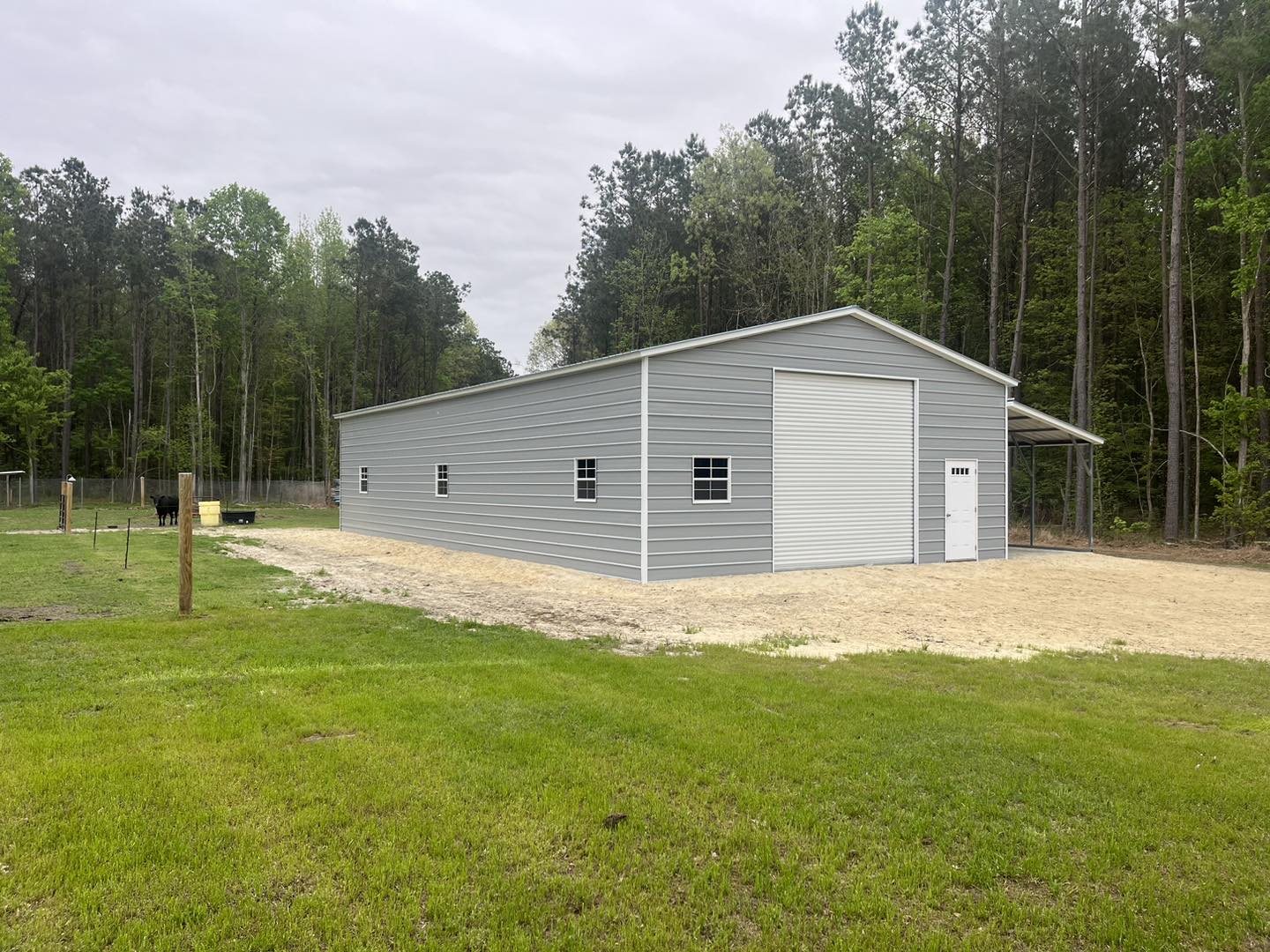
Eastern North Carolina gets more tropical weather than nearly anywhere else on the East Coast. Floyd (1999), Isabel (2003), Irene (2011), Matthew (2016), Florence (2018) and Dorian (2019) are all within living memory, and while some arrived as wind, most arrived as water. People here took one lesson from them: how well a building holds up depends on how it is anchored and on the ground under it.
That ties straight into warranty paperwork, because poor anchoring is one of the ways structural coverage gets lost, and engineered drawings document what the building was designed to carry. Wind design speeds are higher the closer you get to the coast from I-95, flood zones trace every river and sound, and your county decides which certification the inspector expects. For that reason we ask about the site before we talk about colors. Give us the location and we will price framing, anchors and drawings matched to it.
Usually, but the warranty counts fade only when the color shifts past a specified amount over a specified time, not whenever you can see some change. The coverage depends on the coating system, and it frequently gets smaller close to salt water. Get the coater’s own document and read its fade clause before you buy.
Some can. Certain structural and finish warranties pass to a new owner, occasionally after a registration step or for a shorter term, while others stop when the property is first sold. Ask the seller and get a written answer, because coverage that transfers is a selling point when you sell later.
It can, if an opening is cut without proper framing or by someone other than an approved installer. Where you can, have the doors and windows supplied with the building. Before changing a structure that is already finished, ask the manufacturer which methods it approves.
The terms for ECOP buildings are not listed here, because this page is a general guide to warranty types. To get the written terms for the building you are pricing, ask at any ECOP sales lot: phone (252) 414-5105 or find a lot at /locations/, and ask for the paperwork before you buy.
Storm damage normally goes through insurance rather than a warranty, unless a defect is what made the building fail. Insurance companies are not uniform in how they handle metal buildings, so check your coverage before the building goes up. Hold on to any engineered drawings, so that if there is a dispute the rated loads can be shown.
Share the size, the county and what you plan to store, and we will respond with a number. Quotes follow current steel pricing. Nothing commits you to buy, and if a different size would suit you better we will say so.